
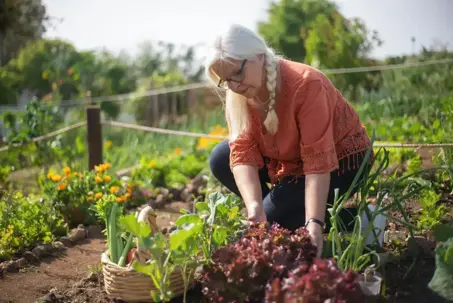
Maintaining a thriving garden in Washington’s Tri-Cities area requires a delicate balance. On one hand, you want to encourage vibrant plant growth in a region defined by its semi-arid climate and dramatic seasonal changes. On the other hand, you need effective strategies to keep insects and other pests under control—without resorting to harsh chemical treatments. Fortunately, there are plenty of eco-friendly solutions that allow your garden to flourish while respecting local ecosystems and preserving biodiversity.
In this guide, we’ll explore how you can prevent common garden pests from decimating your plants by using sustainable methods and carefully chosen plant varieties. From companion planting to homemade deterrents, discover how these tactics can make a big difference in ensuring your Tri-Cities garden remains lively, healthy, and chemical-free throughout the year.
Understanding Pests in the Tri-Cities Region
One of the most significant steps in protecting your garden is understanding the types of pests you may encounter. Common culprits include aphids, spider mites, beetles, slugs, and even rodents—each with its own preferred habitats and favored plant varieties. In areas like Kennewick, Pasco, and Richland, gardens are especially susceptible to aphids, which feed on the sap of plants and can rapidly weaken foliage. Meanwhile, spider mites thrive in warmer temperatures, frequently attacking ornamentals such as roses and marigolds.
These pests can cause more than just cosmetic damage: plants stressed by pests are less able to fend off diseases and more likely to experience stunted growth. Heavily infested plants are also more prone to environmental stressors like drought and heat, which can have a cumulative effect on a garden.
Companion Planting for Natural Defense
Companion planting—the age-old method of growing certain plants together for mutual benefit—is an effective, environmentally safe way to discourage pests. By pairing supportive plants, you can deter unwanted insects while also improving soil quality and even flavor profiles in your herbs and vegetables. One example is pairing tomatoes with basil; basil’s strong scent can help repel flies and mosquitoes, promoting healthier tomato growth. Similarly, marigolds exude a scent that can deter aphids, whiteflies, and even certain types of nematodes.
Companion planting not only boosts your garden’s natural defenses but also promotes biodiversity. Diverse gardens with multiple types of plant relationships tend to experience fewer pest outbreaks. This dynamic helps naturally regulate pest populations, reducing the need for external interventions.
Selecting Pest-Resistant Plant Varieties
Investing in pest-resistant plant varieties is one of the easiest ways to reduce infestations. Breeders often develop these cultivars with specific traits that deter or withstand various insects. Whether you plan to grow soft fruits like strawberries or hearty vegetables such as bell peppers, look for varieties labeled “pest-resistant” or “disease-resistant.” If you want to showcase ornamentals, consider ornamental kale or zinnias, both known to be tough against common garden pests.
Choosing plants that are suitably adapted to the Tri-Cities’ climate further fortifies this defense. Certain native and drought-tolerant species can combat the region’s temperature extremes and require less water, meaning they’re less stressed and therefore more resilient to pest damage.
Harnessing Beneficial Insects and Natural Deterrents
Not all insects are enemies—some, like ladybugs and lacewings, are voracious predators of aphids and other garden pests. By attracting these beneficial predators with pollen- and nectar-rich flowering plants (such as cosmos or yarrow), you create a self-sustaining ecosystem that keeps pest populations in check. Gardens incorporating beneficial insects often see a noticeable decrease in pest damage.
Additionally, consider homemade or minimally processed deterrents to further protect your plants. A mild solution of soap and water can eliminate aphids on leaves, while neem oil can deter multiple pests without impacting pollinators when used correctly. Always follow recommended guidelines on any product’s label and avoid overspraying to minimize potential environmental risks and to protect important pollinators like bees and butterflies.
Best Plant Care Practices
Even the most pest-resistant plants benefit from good garden hygiene and ongoing care. Remove faded flowers and dead leaves promptly to reduce areas where pests can hide. Adequate irrigation and balanced fertilization also go a long way toward preventing pest infestations in the first place, as strong, healthy plants are more naturally resistant. When planning your layout, be mindful of proper spacing—crowded plants can lead to higher humidity levels and poor air circulation, encouraging fungal diseases and insect infestations.
Monitoring your garden regularly is key. Frequent check-ups allow you to identify early signs of pests or diseases and address them quickly. For instance, if you notice small ragged holes in lower leaves or shiny trails across dirt, you may have a slug problem. Being proactive can prevent minor problems from escalating into full-blown infestations that might require stronger measures.
Sustainable Tri-Cities Gardening Community
Engaging with local gardening groups and sustainable living communities can yield even more insights. Many Tri-Cities residents are implementing eco-conscious pest management and are eager to share what works best in this unique environment. Attending workshops or online seminars offered by county extension offices and horticultural societies can deepen your understanding of region-specific conditions. By exchanging knowledge, you help foster a gardening culture that values both landscapes and biodiversity.
Take Your Next Steps Toward a Pest-Free Garden
Eco-friendly pest-proofing is not only possible in the Tri-Cities—it’s highly effective and beneficial for both plants and the environment. Through companion planting, beneficial insects, pest-resistant varieties, and attentive monitoring, you can achieve a thriving garden without introducing harmful chemicals. A well-rounded approach, supported by ongoing education and community support, goes a long way toward promoting sustainable landscapes in southeastern Washington.
If you’re ready to fortify your garden the healthy way, contact us today. You can also explore our services to learn more about holistic pest management designed for the Tri-Cities. By working together, we can ensure that your garden continues to flourish, attract pollinators, and bring joy—free from harmful chemicals and unnecessary environmental risks.